
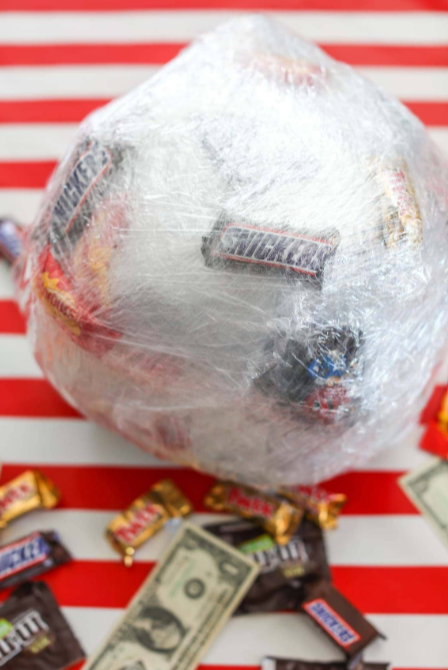
How Much Saran Wrap Do You Really Need for a Saran Wrap Ball

Introduction

If you’ve ever played   or even just watched   a Saran Wrap Ball Game, you already know how ridiculously fun and chaotic it can get. It’s one of those party games that seems almost too simple, yet it has everyone screaming, laughing, grabbing, and scrambling as if the stakes were sky-high. But ask anyone who has actually made one of these notorious plastic-wrapped monsters, and they’ll tell you something important: the amount of Saran wrap you use can make or break the entire game. Too little wrap and the ball falls apart in a few passes. Too much and players are peeling plastic for ages while the fun drains out like air from a slow balloon. So striking that perfect balance matters more than most people realize.

Another reason why the amount of wrap matters is the pacing of the game. You want the ball to last long enough so every player gets a turn   but not so long that the excitement fades or younger players lose interest. It’s kind of like cooking pasta: underdo it and it’s disappointing, overdo it and it turns mushy. The Saran wrap ball is the same way   except instead of noodles, you have prizes, candy, cash, lottery tickets, mini gadgets, and whatever random items you toss inside. All of that needs just the right coverage to create suspense, unpredictability, and that satisfying feeling of unwrapping something mysterious layer after layer.

On top of that, different parties need different-sized wrap balls. A small family night requires way less plastic than a holiday party with 20 guests. And if you’re playing with competitive adults instead of kids, you’ll want to increase the wrapping difficulty so the ball doesn’t unravel too quickly. Basically, the amount of wrap determines the speed, the challenge, and the overall energy of the game. That’s why the first step in planning this activity isn’t buying prizes at the dollar store   it’s figuring out exactly how much Saran wrap you need.

In this guide, we’re breaking down everything: group sizes, roll sizes, wrap types, prize layering, difficulty levels, building strategy, budgeting, and more  so you can create the perfect Saran wrap ball every single time.

Understanding the Purpose of the Saran Wrap Ball Game

When people first hear about the Saran Wrap Ball Game, they assume it’s just a silly holiday activity — something fast, chaotic, and mostly for laughs. But the truth is, this game has a very intentional purpose behind the madness. At its core, it blends suspense, competition, teamwork, and surprise all into one swirling, crinkly, unpredictable ball. Understanding the purpose helps you build a better ball, set the right difficulty, and choose how much wrap you need.

The main idea is simple: unwrap layers of plastic to reveal hidden prizes, all while racing against a timer as the player next to you tries to roll doubles with dice. But what makes this game special is the emotional rollercoaster it creates. Every layer promises something new   maybe candy, maybe cash, maybe a gag gift   and that anticipation is what keeps players engaged from start to finish. The wrap isn’t just packaging; it’s the tension builder, the obstacle, the glue that holds the experience together.

The amount of Saran wrap you use directly affects the excitement. Too little wrap makes the ball fall apart so quickly that the game ends before the laughter even heats up. Too much wrap turns it into a frustrating chore where players peel and fight through plastic for minutes without any payoff. The perfect middle ground keeps things challenging but still fun, giving every participant a fair shot at winning something.

Another purpose is simple bonding. This game works for families, friends, workplaces, youth groups   basically anyone who likes a little chaos mixed with a lot of laughter. Kids stay entertained because they love surprises. Adults get competitive because they love winning. The game bridges age gaps effortlessly, making it one of the easiest go-to party activities for groups of all sizes.

When you know the purpose behind the game   suspense, fairness, fun, and pacing   it becomes way easier to judge how much Saran wrap you truly need. It’s not about building the biggest ball possible; it’s about building the right one for your players.

Factors That Determine How Much Saran Wrap You Need

When planning a Saran Wrap Ball Game, the biggest mistake people make is assuming there’s a universal amount of wrap that works for every situation. In reality, the amount of Saran wrap you need depends heavily on several key factors—things like how many people are playing, how competitive they are, what kinds of prizes you’re using, and even the age range of your group. All these details matter because they change the pacing, difficulty, and overall feel of the game. Understanding these factors helps you create a ball that’s perfectly sized, perfectly challenging, and perfectly fun.

One of the biggest considerations is the number of players. Smaller groups don’t need giant Saran wrap balls; otherwise, you’ll end up with a game that lasts way too long. On the other hand, larger groups need way more wrap to ensure that everyone gets a turn. A big holiday party with 20 people requires more layers, more wrap, and more prizes to keep the game flowing. If the ball runs out early, you’re left with disappointed players and a sudden drop in energy.

Another major factor is player age. Kids unwrap differently from adults: they’re usually slower, less coordinated, and more easily distracted. With kids, you want a ball that’s easier to unravel so they get quicker wins and stay excited. Adults, though? They get competitive. They dig, rip, twist, and shred through the plastic like their life depends on it. That means you can use more wrap, thicker layers, and trickier techniques to increase the challenge.

Difficulty level also plays a role. Some hosts like fast, frantic games. Others want slow-burn suspense with layers that take time to peel through. If you want a higher difficulty, you’ll use more wrap and tighter layering. If you want a simple, family-friendly version, you’ll go lighter.

Then there’s the size and quantity of prizes. Mini prizes require more layering to keep them secure. Larger items add bulk and stretch the wrap, requiring additional layers to maintain the round shape.

Each of these factors influences how much wrap you should use, and when combined, they help you create a perfectly balanced game experience.

Recommended Amount of Saran Wrap by Group Size

One of the most reliable ways to determine how much Saran wrap you need is by looking at the size of your group. This single factor affects pacing, difficulty, and how long the game lasts more than anything else. The goal is to create a ball that lasts long enough so everyone gets a turn, but not so long that the game drags on forever. The balance is somewhere in the middle , and group size is what helps you find that sweet spot. That’s why breaking things down by small, medium, and large groups makes planning a whole lot easier.

For small groups of 2=5 players, you don’t need a gigantic ball. In fact, using too much wrap can actually kill the fun because the game will last far longer than the number of players can sustain. A good guideline for small groups is 200–300 feet of Saran wrap, which is usually about one standard roll and maybe part of a second. This amount makes a decent-sized ball with enough layers to hide around 15=20 small prizes without overwhelming anyone. The pace stays lively, and each player gets multiple turns, which keeps the energy high. f

or medium groups of 6=10 players, you’ll need more wrap to ensure the ball doesn’t run out too soon. This size group is the most common for families, holiday parties, and small gatherings. Here, you’ll want anywhere from 400–600 feet of wrap, which comes out to roughly two regular rolls or one large commercial roll. This ensures enough layers to allow every person to take a turn or two. With medium groups, you also have more room to include bigger prizes and more varied items without affecting the structure of the ball. It also gives you wiggle room to adjust difficulty by adding extra layers in certain areas.

For large groups of 11=20+ players, you’re working at a different level. Big groups move fast, and the ball needs to be built for endurance. For these events, plan on using 700–1,000+ feet of wrap, which could be two or three full rolls. Large groups need thicker layers not just to prolong the game but to create a steady rhythm. With more people watching and waiting, the suspense becomes part of the entertainment. A large wrap ball becomes a centerpiece — not just an activity, but a shared spectacle.

Types of Plastic Wrap to Use

When it comes to building a Saran wrap ball that’s sturdy, exciting to unwrap, and fun for all ages, the type of plastic wrap you choose matters more than most people realize. Not all plastic wraps behave the same. Some cling tightly, some stretch more, some tear easily, and some feel almost impossible to break through. The texture, thickness, and stickiness of the wrap all play a role in determining how difficult or easy your ball will be to unwrap   and that directly impacts how much wrap you’ll use and how the game unfolds. So choosing the right wrap is one of the smartest decisions you can make before you even start building.

The most common option is standard kitchen-grade plastic wrap. This is the kind you find in almost every home, usually in a 200–300 ft box. It’s affordable, easy to find, and clings well enough to hold the ball together. Standard wrap is perfect for small to medium groups or for family-friendly games where you want a moderate level of difficulty. It molds around prizes cleanly and allows you to shape the ball without much effort. The downside? It tears fairly easily

 which is good for kids, but not ideal if you’re aiming for a harder,more intense unwrapping experience.

Then there’s professional-grade wrap, often sold in restaurants, delis, or bulk stores like Sam’s Club or Costco. This wrap is thicker, stronger, and much more durable than your typical kitchen roll. If you’re hosting a large group or you want the game to last longer, professional wrap is a smart choice. Its heavy-duty strength makes unwrapping more challenging and adds weight to the ball, which increases the suspense and the workout. It also clings more aggressively, making each layer feel like a puzzle to peel through. Just know: it’s harder for young kids to handle, so consider your audience.

Another key difference is stretch-tight vs. cling wrap. Stretch-tight wrap is tougher and more resistant to tearing. Cling wrap is softer, stickier, and easier to pull apart. If you want layers that seal tightly around prizes, cling wrap works great. If you want tougher layers that frustrate competitive adults (in a fun way), stretch-tight wrap wins every time.

Choosing the right wrap isn’t just about quality   it’s about matching the wrap to your group, your prizes, and the gameplay style you want. Get this part right, and you’re already halfway to building an unforgettable Saran wrap ball.

How Many Rolls Should You Buy?

Figuring out how many rolls of Saran wrap you need can feel confusing at first, especially because rolls come in different lengths, thicknesses, and levels of cling. But once you understand how the footage on the box translates into actual wrapping power, choosing the right number of rolls becomes surprisingly simple. Most people either buy too little wrap and end up with a tiny ball, or they buy way too much and end up creating a plastic-wrapped planet that takes an hour to unwrap. The goal here is to help you find the perfect balance   enough wrap to make the game fun and challenging, without wasting money or turning the ball into an untamable monster.

The first thing to know is that roll size varies heavily by brand. Standard kitchen rolls usually range from 200 to 300 feet, while commercial or restaurant-grade rolls can run anywhere from 500 to 3,000 feet. That’s a huge difference! A typical home roll is great for smaller groups or lighter games, but if you’re hosting a big holiday gathering, buying a commercial roll is almost always more cost-effective. Instead of juggling four or five smaller rolls, one large box gets you all the footage you need   plus sturdier wrap that builds stronger layers.

For most small and medium games, you’ll need 1 to 2 standard rolls. A single 200–300 ft roll makes a decent-sized ball for four or five players, especially if your prizes are mostly small. If you’re planning something more elaborate, two rolls will give you the flexibility to add extra layers around special prizes, reinforce weak spots, or increase the difficulty with thicker wrapping. For medium groups of six to ten people, two standard rolls or one 500 ft commercial roll is the sweet spot.

For larger groups, commercial rolls are the way to go. A 1,000 ft roll can create a massive, dense ball that keeps 15=20 players engaged, and it’s usually cheaper per foot than buying multiple kitchen rolls. You also get better control because commercial wrap tears less easily, helping you build more structured layers. If you’re going all out  big party, lots of prizes, competitive adults   you might even use 1,500 ft or more.

Your ideal number of rolls depends on footage, group size, and how intense you want the game to be. Once you know those details, buying the right amount becomes effortless.

How to Layer Prizes Inside the Ball

Layering prizes inside a Saran wrap ball is where the real magic happens. Anyone can wrap random items inside plastic, but creating a ball that feels exciting, unpredictable, and satisfying to unwrap requires intention. The way you place the prizes   their size, spacing, and position   determines how the game flows. A well-layered ball keeps players engaged because every few seconds, something new falls out. A poorly layered ball feels sloppy, predictable, or unbalanced. So, learning how to layer prizes correctly is one of the most important skills in building the perfect Saran wrap ball.

The process starts at the core. Every Saran wrap ball begins with a central item, usually something small but valuable   like cash, a mini toy, a keychain, a chocolate bar, or a gift card. This core needs to be wrapped tightly so it forms a solid center. The first few layers matter the most because they create the base shape of the ball. Wrap these layers firmly, using several rotations of plastic to create a dense starting point. This also ensures that the core prize won’t poke through or distort the ball later.

Once your core is set, you can start adding small prizes. These usually include candies, small toys, lip balms, trinkets, coins, mini sanitizers, or other dollar-store finds. Small prizes fill gaps easily and help build evenly distributed layers. The trick is to place one prize, then wrap it several times, then add another, repeating the pattern so the ball grows evenly in all directions. Avoid stacking multiple prizes in one spot, or the ball may become lopsided and harder to wrap smoothly.

As your ball grows, begin adding medium to larger items. These items create fun surprises but can also deform the ball if not wrapped correctly. The key is to place larger prizes early enough that the ball is still small and easy to shape. If you wait until later and add them near the surface, they’ll bulge out and make wrapping tricky. Use extra layers of plastic around large items to pull them tightly into the ball’s shape.

One of the best layering techniques is alternating difficulty. Wrap some sections more tightly so players struggle, then create easier sections so the pace speeds up. This mix keeps the experience unpredictable. Also consider adding “special” layers   like reverse wrap, where you wrap backward so the plastic doesn’t stick   to create even more chaotic fun.

Layering isn’t just stuffing items randomly; it’s a careful balance of placement, tension, and rhythm. A well-layered ball becomes a thrilling mystery with every pull.

Best Ways to Control Game Difficulty

Controlling the difficulty of a Saran wrap ball game is one of the easiest ways to tailor the experience to your group. Some people want a fast, silly game where prizes fly out every few seconds. Others want a more intense challenge where players really have to work for each reward. Difficulty isn’t accidental   it’s something you build into the ball through your wrapping style, choice of plastic, and strategic layering. By understanding a few key techniques, you can create a game that matches the exact vibe you want, whether it’s kid-friendly, ultra-competitive, or somewhere in between.

One of the simplest ways to adjust difficulty is by controlling how tightly you wrap each layer. Tight wrapping increases resistance, making it harder for players to pull apart the plastic. This is great for adults or experienced players who enjoy the challenge of digging into tough layers. Loose wrapping, on the other hand, creates smoother, quicker unwrapping. This works well for kids, softer gameplay, or situations where you want prizes to appear frequently. You can even mix the two methods = tight wrapping around valuable items and looser wrapping around regular items   to create a pattern of tension and release.

Another effective strategy is using different brands or types of plastic wrap throughout the ball. Some wraps are stretchier, while others cling more aggressively or tear more easily. Switching wrap types mid-ball adds an unpredictable twist. For example, using professional-grade wrap for the inner layers and kitchen wrap for the outer layers can keep the early game challenging but the final parts quicker and easier. You can also introduce reverse-wrapping (wrapping with the non-cling side facing out), which creates sections that players can’t grip easily. This is a fun way to add temporary difficulty spikes.

A more playful method is adding intentional “trick layers.” You can ball up a large piece of wrap so players spend extra time unfolding it, or wrap in crisscross patterns for added confusion. If you want to go further, you can add duct tape, foil, or rubber bands   but only if you’re playing with adults, because these materials significantly increase the difficulty and may require more strength or dexterity.

Timing also affects difficulty. If the person rolling dice switches faster (e.g., every five seconds instead of ten), the game becomes much harder for the person unwrapping, since they barely get momentum before the turn ends. Slower timing makes it easier and more relaxed.

With the right combination of wrapping techniques, materials, and timing, you can create a perfectly balanced game that feels exciting, fair, and unforgettable.

Common Mistakes When Making a Saran Wrap Ball

Even though the Saran wrap ball game seems simple, a lot can go wrong when building the ball itself. These mistakes don’t just affect the look of the ball   they change how the entire game feels. A poorly made ball can fall apart too fast, drag on too long, look messy, feel awkward to hold, or even frustrate players instead of entertaining them. Fortunately, most of these mistakes are easy to avoid once you know what to look out for. By understanding the most common pitfalls, you can create a smooth-rolling, prize-packed, excitement-building ball every single time.

One of the biggest mistakes people make is using too little Saran wrap. When there aren’t enough layers, the ball doesn’t hold its shape and begins unraveling before players even start taking turns. Thin wrapping also exposes prizes too quickly. The game feels rushed, predictable, and less exciting because players barely work for each reward. A good Saran wrap ball should feel dense and layered   not flimsy like a loosely wrapped burrito. Using enough wrap ensures that the ball stays tight and durable, especially once the unwrapping chaos begins.

Another mistake is using wrap that doesn’t cling well, such as super cheap brands or wraps stored in humid environments. Low-quality wrap tends to slide rather than stick, making the ball harder to build and easier to peel open. It can also cause uneven layers, lumps, and weak spots that break apart mid-game. If the wrap doesn’t cling well, the ball becomes more like a loose bundle rather than a solid, round shape. Spending a little extra for a reliable wrap brand saves you time, frustration, and a poorly structured ball.

A third common mistake is overstuffing the ball with large or bulky items. When you place too many big items near the surface, the ball becomes misshapen and awkward to wrap. It can also create “ballooning”   areas that bulge outward and tear the wrap. Large items belong deep inside the ball, where they can be secured with many layers. Near the outside, stick to small, flexible items that don’t distort the shape.

Another surprisingly common mistake is wrapping too tightly or too loosely at the wrong times. Overly tight wrapping throughout the entire ball makes the game exhausting and sometimes frustrating, especially for younger players. On the flip side, wrapping too loosely causes the ball to peel like an onion with no challenge at all. Balance is key: tight around valuable prizes, moderate around regular prizes, and looser around very large items.

Avoiding these mistakes helps you build a ball that unwraps smoothly, feels fair for all players, and creates the perfect rhythm of challenge and excitement.

Budgeting for the Saran Wrap Ball Game

Budgeting for a Saran wrap ball game is one of the smartest things you can do before you even buy your first roll of plastic. This game can be as cheap or as expensive as you want it to be . and without a clear plan, it’s surprisingly easy to overspend. Between buying Saran wrap, collecting prizes, and possibly adding special items or themed gifts, the total cost can grow faster than you expect. But with thoughtful budgeting, you can build an amazing, excitement-packed ball that feels generous and fun without draining your wallet.

The first thing to budget for is the wrap itself. The amount you need depends on group size, but here’s a realistic price range: standard kitchen wrap costs around $3=$5 per roll, while professional-grade wrap ranges from $10=$20 depending on footage. Most small balls use one roll, medium balls use two, and large balls use one big commercial roll. That means your wrap budget may fall anywhere between $5 and $25. Compared to the rest of the game, this is usually the least expensive part   but still important to plan for.

Next, consider the prizes, which make up the bulk of your cost. Prize budgeting depends entirely on your theme, your group, and how extravagant you want the game to feel. Many people build their ball entirely with dollar-store items and still have an amazing time. Things like candy, small toys, lip balms, keychains, mini flashlights, and novelty items are fun, cheap, and crowd-pleasing. If you want to keep things affordable, set a prize budget of $10=$20 for small groups, $20=$35 for medium groups, and $35=$60 for large parties.

That said, many hosts like to sprinkle in a few premium prizes   gift cards, cash, scratch-off tickets, or small electronics. You don’t need many. Even adding a single $5 bill or $10 gift card can elevate the excitement immediately. If you want to include higher-value items, decide on a limit ahead of time so the ball doesn’t exceed your comfort zone. A good rule is to make premium prizes less than 25% of your total prize budget.

good rule is to make premium prizes less than 25% of your total prize budget.

Another thing to think about is theme-based costs. Holiday-themed balls might include seasonal treats. Birthday balls might include age-specific toys. Office parties might feature gift cards, office supplies, or humorous items. These themes can influence cost, so planning them ahead helps avoid impulse purchases.

Finally, factor in any game extras, such as dice, timers, oven mitts (for added difficulty), or decorative ribbons. These accessories aren’t required, but they add to the experience and typically cost only a few dollars.

With smart budgeting, you can create a Saran wrap ball that feels exciting, generous, and memorable without overspending   proving that fun doesn’t need to be expensive.

Alternative Materials You Can Use

While the classic Saran wrap ball game uses traditional plastic wrap, not everyone wants to rely on plastic   and not every situation calls for the standard material. The good news is that you can create a fantastic, exciting unwrapping game using a variety of alternative materials. Whether you’re being budget-conscious, eco-friendly, creatively playful, or simply improvising with what you have at home, there are plenty of substitutes that can work beautifully. Choosing alternative materials can even add new twists, textures, and levels of difficulty that make the game more memorable.

One of the best alternatives is compostable or biodegradable wrap. These wraps are designed to break down more easily than traditional plastic, making them a great option for environmentally conscious groups. Many eco-wraps still cling similarly to standard Saran wrap, so the game feels almost identical. They do tend to be a bit less stretchy and slightly more fragile, meaning you may need extra layers to achieve the same durability. But for families who want to enjoy the game without contributing to plastic waste, this is a solid choice.

Another fun option is cellophane, especially colored or patterned varieties. Cellophane doesn’t cling on its own, so it creates a completely different unwrapping experience. Instead of pulling and peeling, players must tear or unwrap more deliberately. This creates additional challenge and makes the ball visually striking, especially if you layer different colors. The downside is that it’s noisier and less flexible, so it’s best used for adult groups or themed events where aesthetics are part of the fun.

A surprisingly effective alternative is using tissue paper, especially for young kids. Tissue paper wraps easily, tears quickly, and allows kids to access prizes without frustration. It creates a softer, gentler version of the game, perfect for toddlers or children’s parties. While it doesn’t form a tight ball, you can still create a layered sphere with careful wrapping. It’s also inexpensive and available in countless colors, making it ideal for themed events.

For an ultra-creative twist, you can use fabric strips. Old T-shirts, bandanas, or scrap fabric pieces can be knotted or wrapped around items, creating a completely plastic-free version. This turns the game into more of a tactile puzzle, where players must untie knots, pull strips, and work through layers. While this method is more labor-intensive and results in a heavier ball, it’s reusable, eco-friendly, and incredibly unique. It also works amazingly well for baby showers, craft parties, or eco-conscious gatherings.

Finally, paper streamers can be used for lighthearted or budget-friendly versions. They’re thin, inexpensive, and tear easily, making them perfect for short games, children, or quick party warm-ups. They don’t form a strong ball on their own, so they’re best for smaller prizes and short rounds.

Using alternative materials doesn’t just change the feel of the game  it lets you tailor the experience to your values, your audience, and your creativity. No matter what you choose, the fun of the unwrapping challenge remains the same.

Safety Tips When Playing

Even though the Saran wrap ball game is meant to be lighthearted and fun, safety should always be a priority especially when you’re playing with kids, large groups, or competitive adults who tend to get a little too enthusiastic. While the game itself is harmless, the combination of fast movements, slippery plastic, surprise prizes, and dice rolling can lead to accidental bumps, trips, or other avoidable mishaps. Taking a few simple precautions ensures that everyone enjoys the game without any problems. Safety doesn’t take away from the excitement; it actually makes the game smoother and more fun because everyone can play freely without worry.

The first rule of safety is supervision, particularly when children are involved. Younger kids may get overly excited, grab prizes too quickly, or accidentally put small items in their mouths. Make sure at least one adult oversees the entire game, monitoring the pace, the handling of prizes, and the unwrapping speed. If you’re using small items like hard candies, coins, or mini toys, double-check that none of the items pose a choking hazard for the youngest players. When in doubt, choose bigger, safer items.

Next, think about physical space. The game requires movement passing the ball, rolling dice, grabbing wrap so you need enough room for players to sit comfortably in a circle without crowding. A tightly packed group can lead to elbows bumping, dice flying into people, or players accidentally leaning too far and tipping over. Choose a wide, open area with plenty of floor space. If you’re playing on carpet or a rug, great less slipping. If you’re on hardwood or tile, encourage players to sit rather than kneel or stand to avoid slipping on loose layers of plastic.

Another key safety tip is setting clear rules, especially regarding how the ball is handled. Players shouldn’t use teeth, scissors, or sharp objects to tear through difficult layers. This might seem obvious, but in the heat of the moment, kids or competitive adults may try creative shortcuts. Make it clear that only hands can be used. Also, instruct players to keep the ball close to their body rather than flailing it around, which can accidentally smack someone nearby.

If you’re adding difficulty elements like oven mitts, double-check that the mitts fit well and don’t restrict circulation. Some players may find mitt challenges hilarious; others may struggle or feel uncomfortable. Adjust difficulty based on your group’s comfort level.

Finally, if your ball includes edible items, check for allergies before including foods like nuts, chocolates, or specific candies. A little preparation goes a long way in keeping everyone safe while still enjoying the full excitement of the game.

With just a few precautions, you ensure that your Saran wrap ball game is not only fun but safe for everyone involved.

Step-By-Step Guide to Building the Perfect Saran Wrap Ball

Building the perfect Saran wrap ball isn’t just about tossing prizes into plastic—it’s a process, and when done right, the result is a smooth, dense, exciting ball that unwraps beautifully during the game. The goal is to create something that feels sturdy in the hands, unpredictable as you peel through the layers, and satisfying for every player. A well-constructed Saran wrap ball has just the right balance of tension, surprises, shape, and difficulty. This step-by-step process breaks everything down so you can create a professional-quality ball that delivers maximum fun.

The first step is choosing your core prize, the item that forms the center of the ball. This should be something small but meaningful like money, a gift card, a mini gadget, or a special piece of candy. Place it in the center and wrap it tightly 10=15 times until the object is completely covered and you have a firm, round base. A solid core is essential because it anchors the shape of the entire ball. If the core is too loose or uneven, the ball becomes lumpy and harder to structure as it grows.

Next comes building the early layers, which require smaller prizes. These can include items like candy, chapstick, fidget toys, lottery tickets, or small trinkets. Place one prize on the ball, hold it in place, and wrap it several times so the plastic secures it tightly. Turn the ball slightly, add another small item, and wrap again. Continue this pattern so that the ball grows evenly. Rotate frequently while wrapping; this prevents bulges and keeps the sphere shape intact. The secret here is consistency keep the layers tight enough to hold prizes but not so tight that the game becomes overly difficult.

As the ball becomes larger, move into medium-sized items. These add excitement and create natural milestones throughout the unwrapping process. To keep the ball round, nestle medium items into flatter areas or against the surface where they can be pulled inward by multiple layers. Use more wrap around larger items so they don’t distort the shape or cause weak spots .

Once the ball reaches the size you want, it’s time to build the outer layers. These should include mostly small items or no prizes at all. Outer layers act like the “shell” of the ball and help preserve its structure. You’ll also want these layers to be slightly tighter, especially if you want the game to start off challenging. If you want an easier start, keep the outer layers looser so prizes appear right away.

For added excitement, incorporate special wrapping techniques. Reverse-wrap a few layers (non-sticky side out) to create surprise difficulty spikes. Add layers of a different wrap brand for texture changes. Hide a premium prize deep inside multiple layers for a dramatic reveal. The key is variation mixing tight layers, loose layers, smooth layers, and tricky layers creates a dynamic unwrapping experience that keeps players guessing.

Finally, check the ball for overall shape and feel. It should be firm, dense, smooth, and satisfyingly heavy. A well-built Saran wrap ball feels like a polished, prize-filled mystery waiting to be unraveled.

Tips for Hosting a Fun and Smooth Game Night

Hosting a Saran wrap ball game night isn’t just about building the ball  it’s about creating an atmosphere of energy, anticipation, and pure chaotic fun. The way you set up the game, the mood you create, and the instructions you give can completely change how the experience feels. You want the game to run smoothly, feel fair for all players, and generate tons of laughter and excitement. With the right hosting strategies, you can turn a simple unwrapping game into a memorable party moment that people will talk about for months.

The first key to hosting success is setting the tone. Before you even pass out the ball, get everyone excited. Explain the rules clearly but keep it light and fun. Tell people what types of prizes might be inside (without giving away specifics), hype up the mystery, and remind everyone that the point is to enjoy the chaos, not to win at all costs. Music also helps play upbeat, energetic tracks in the background to create momentum. It helps keep the pace lively and makes the game feel like an event rather than an activity.

Next, think about group positioning. Players should sit in a circle where everyone can see the ball and observe the action. Make sure there’s enough space between each person so no elbows, knees, or dice collide. If you have a large group, make the circle wider so the ball can be passed easily without people leaning over each other. A spacious setup helps the game move quickly and safely.

Another crucial hosting tip is timing control. Decide how long each player gets to unwrap before the next person takes over. Standard timing is rolling two dice until someone gets doubles, but you can simplify it by using a timer 5 to 10 seconds per turn. For kids, shorter turns keep the pace exciting. For adults, longer turns add challenge and intensity. You can also increase difficulty by having players wear oven mitts, mittens, or even using only one hand. Mix these rules depending on how silly or competitive your crowd is.

Also consider prize fairness. While everyone loves a high-value surprise, you don’t want one person to win everything. The ball should have enough small prizes spread throughout so everyone gets at least something. If you’re hosting young kids, you may want to slow the game down occasionally so they can grab prizes more easily or take turns unwrapping without pressure.

One of the best hosting tips is adding game variations. Try playing with music that stops randomly (like musical chairs), themed layers, color-coded prizes, or “special layers” where players must perform a funny task before continuing. These twists add unpredictability and keep even experienced players entertained.

Finally, keep the atmosphere friendly and fun. Cheer loudly when someone finds a cool prize, laugh at the unexpected moments, and encourage players to celebrate each other’s wins. A great host doesn’t just run the game they shape the energy of the entire experience.

Conclusion

The Saran wrap ball game may look simple on the surface, but as you’ve seen, creating the perfect ball requires planning, strategy, and a little creativity. From choosing the right amount of wrap to selecting the best prizes, adjusting difficulty levels, and making sure the experience is safe and enjoyable, every choice you make affects how fun the game will be. When done right, this game becomes more than a party activity  it becomes a memory. It’s that moment when everyone is laughing, shouting, cheering, and scrambling as prizes fall out and the ball keeps shrinking layer by layer. It’s these little shared moments of chaos and joy that make the Saran wrap ball game so loved by families, friends, coworkers, and party groups everywhere.

The biggest takeaway is that the amount of Saran wrap you need isn’t one-size-fits-all. It depends on group size, ages, prizes, and how challenging you want the game to be. Whether you’re hosting a small family night or a huge party, the guidelines in this article give you everything you need to build the ideal ball  one that feels exciting from the first layer to the last. Add prizes thoughtfully, wrap with intention, and mix in different difficulty techniques to keep players engaged. And of course, keep safety in mind so the game stays fun for everyone.

Hosting the game is just as important as building the ball. Clear rules, good energy, music, proper spacing, and a few fun variations can elevate the entire experience. When you combine a well-crafted ball with the right hosting approach, you create an unforgettable moment full of laughter, surprises, and hands fighting through plastic like a holiday battle royale. Now you’re more than ready to build the perfect Saran wrap ball—one that’s packed with surprises, layered with intention, and guaranteed to bring joy to your next gathering.

FAQs

1. How many rolls of Saran wrap do I need for a medium-sized group?

For 6–10 players, you’ll typically need about 400–600 feet of wrap, which equals two standard rolls or one large commercial roll.

2. What kind of prizes should I put in a Saran wrap ball?

Mix small, fun items like candy, toys, lip balm, and novelty gifts with a few bigger surprises like cash, gift cards, or scratch-off tickets.

3. What’s the best way to make the game more challenging?

Use tighter wrapping, switch between different wrap brands, include reverse-wrapped layers, or have players wear oven mitts to reduce grip.

4. Can kids play the Saran wrap ball game safely?

Absolutely—but make sure the prizes aren’t choking hazards, the floor isn’t slippery, and adults supervise the entire game.

5. How do I keep the ball from becoming lopsided?

Rotate the ball constantly as you wrap, distribute prizes evenly, and use extra layers around large items to maintain a smooth, round shape.